




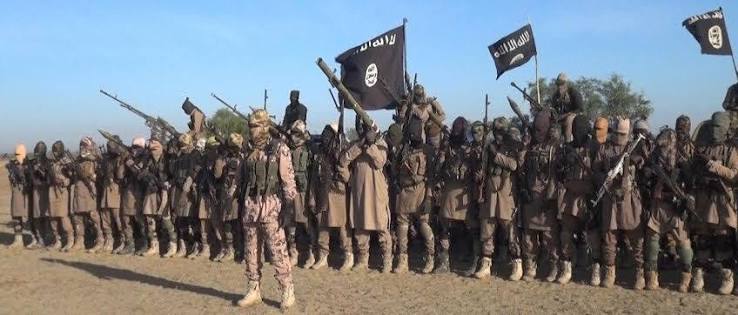
Scores of terrorists are feared to have been killed following a fresh outbreak of fighting between rival insurgent factions, Jama’atu Ahlis Sunna Lidda’awati wal-Jihad (JAS) and the Islamic State West Africa Province (ISWAP), in parts of the Lake Chad Islands zagazola has reported.
Intelligence sources said the latest confrontation occurred around Mangari and Tumbun Allura, where the two groups reportedly engaged in a fierce battle over the control of strategic locations within the Lake Chad basin.
Preliminary intelligence indicated that JAS fighters gained the upper hand during the encounter, allegedly killing dozens of ISWAP members and seizing two boats belonging to the rival faction before withdrawing to their stronghold in Kurnawa.
Security sources said the clash is the latest in the prolonged rivalry between the two terrorist groups, which have repeatedly fought over territorial dominance, access to logistics routes, recruitment networks and operational influence across the Lake Chad region.
According to the sources, the capture of the two boats could significantly affect ISWAP’s operational capabilities, as watercraft remain vital for transporting fighters, weapons, food supplies and other logistics across the waterways linking communities and insurgent camps in the Lake Chad Islands.
The latest confrontation has also heightened security concerns among military authorities, who fear that fleeing terrorists could disperse into nearby communities and launch retaliatory attacks.
Security sources disclosed that troops deployed in Mallam Fatori, Baga, Cross Kauwa, Kukawa and other military locations around the Lake Chad axis have been placed on heightened alert to forestall possible attacks.
Intelligence assessments indicate that surviving fighters may resort to improvised explosive device (IED) attacks, ambushes or other hit-and-run operations as they attempt to evade military pressure and reorganise their ranks.
The assessments also suggest that the renewed infighting could trigger further defections and surrenders by insurgents who have become disillusioned by the prolonged conflict between the rival factions.
Military authorities are reportedly considering intensified offensive operations to exploit what security sources described as a temporary weakening of ISWAP’s fighting strength.
The planned operations are expected to include aggressive patrols, precision strikes and enhanced intelligence, surveillance and reconnaissance (ISR) missions across the Lake Chad Islands to track fleeing fighters, prevent their regrouping and deny them freedom of movement.
Zagazola however, warned that while internal clashes may temporarily weaken one or both factions, they could also create new security challenges, including retaliatory attacks, shifts in terrorist movement patterns and renewed threats to civilian communities and military formations operating across Nigeria’s North-East.
The latest fighting underscores the continuing fragmentation within terrorist groups operating in the Lake Chad region, even as Nigerian troops and allied forces sustain pressure on insurgents under ongoing counter-terrorism operations.