




The National Commission for Persons with Disabilities has welcomed a United Nations General Assembly resolution on access to assistive technology, describing it as a landmark development in the global campaign for inclusion and equal opportunities for persons with disabilities.
The resolution, presented by Pakistan and co-sponsored by more than 40 member states, was adopted by consensus on September 2, 2026.
The Commission said the resolution represents a significant international commitment to recognising assistive technology as an essential component of sustainable development, universal health coverage and the realisation of the rights of persons with disabilities and older persons.
The Executive Secretary of the NCPWD, Ayuba Gufwan, said the resolution was particularly significant for Nigeria, where access to appropriate and affordable assistive technology remains a major factor in enabling persons with disabilities to participate fully in national development.
“Assistive technology is not a luxury. It is an essential enabler of participation and independent living.”
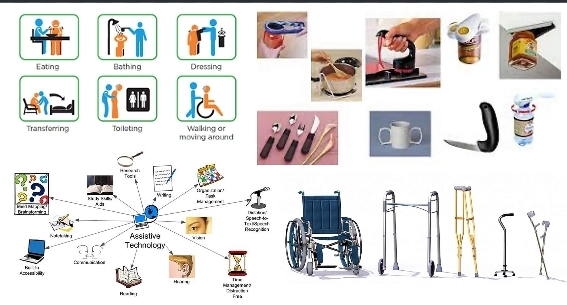
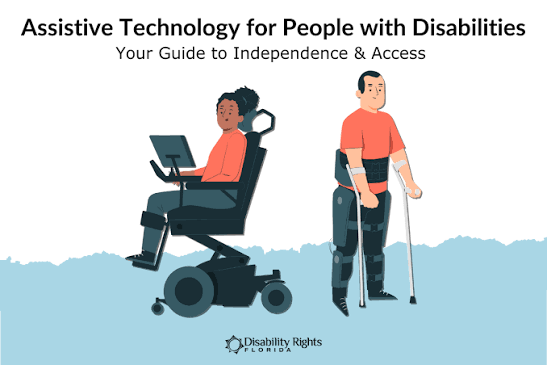
Gufwan explained that assistive products, including wheelchairs, hearing aids, screen readers and prosthetics, provide persons with disabilities with access to education, employment, healthcare, communication and community life.
“From wheelchairs and hearing aids to screen readers and prosthetics, appropriate assistive products and services support access to education, employment, healthcare, communication, and community life. They also help to break down barriers that contribute to poverty and social exclusion.”
He said the UN resolution reinforces Nigeria’s obligations under the Discrimination Against Persons with Disabilities (Prohibition) Act and aligns with the Renewed Hope Agenda of the President Bola Tinubu administration.
NCPWD seeks stronger investment
The NCPWD boss commended the United Nations for emphasising the integration of assistive technology into national health, education, labour and social protection systems.
He stressed the need for sustainable financing, local production, innovation, training of specialised personnel and efficient supply chains to ensure that assistive devices and services reach Nigerians who need them.
Gufwan also called for improved data collection and research to enable policymakers to better understand the assistive technology needs of persons with disabilities across the country.
“The Commission also recognises the need to strengthen data collection, research, and innovation to support evidence-based planning and a better understanding of assistive technology needs in Nigeria.”
According to him, expanding access to assistive technology would contribute significantly to removing barriers that prevent persons with disabilities from participating fully in society and the economy.
Commission pledges wider access
The Executive Secretary reaffirmed the Commission’s commitment to collaborating with development partners, universities, manufacturers, rehabilitation professionals, Organisations of Persons with Disabilities and other stakeholders to expand access to assistive technology across the 36 states and the Federal Capital Territory.
He said the UN resolution had provided fresh impetus for Nigeria to strengthen its policies and programmes in the sector.
“This UN resolution gives us renewed momentum. NCPWD will continue to champion policies, partnerships, and programmes that ensure no Nigerian is left behind because of lack of access to the right assistive device.”
The statement was signed by Ishaku Kigbu, Head of the Media and Publicity Unit of the NCPWD, on September 6, 2026.