




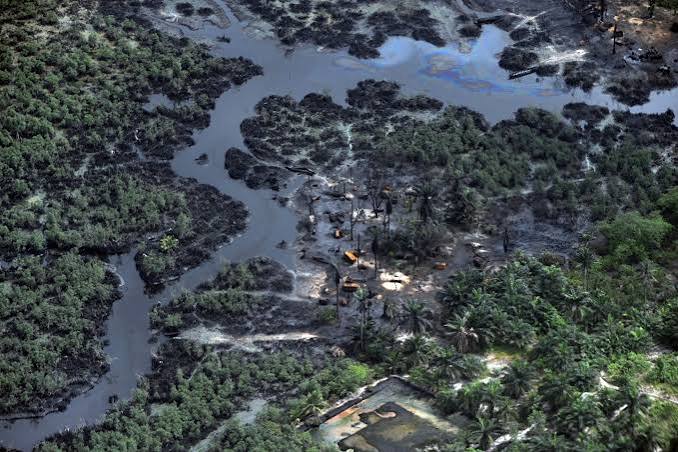
A cache of internal documents disclosed during legal proceedings in the United Kingdom has allegedly exposed decades of operational failures by oil giant Shell Plc, raising fresh concerns over environmental pollution and corporate accountability in Nigeria’s Niger Delta.
The documents, made public as part of a lawsuit brought against Shell by two Niger Delta communities, reportedly include internal email exchanges between senior executives, confidential audits and other company records that campaigners say reveal shortcomings in the company’s efforts to prevent and respond to oil spills.
According to a joint briefing released by Amnesty International and several civil society organisations, many of the documents had never been made public before.
The records were reportedly released after campaign groups successfully applied for their publication on public interest grounds during legal proceedings in the UK.
The case was filed by the Bille and Ogale communities, who allege that Shell failed to prevent repeated oil spills and did not adequately clean up or remediate pollution that has affected their communities over several years.
The communities argue that the contamination has severely impacted drinking water sources, farmland, fishing activities, public health and livelihoods, while accusing the company of failing to accept responsibility for the environmental damage.
According to the report, the newly disclosed documents reinforce longstanding concerns raised by residents and environmental advocates over the management of oil infrastructure in the Niger Delta.
“For affected communities, the findings confirm what many have said for decades: oil pollution has damaged water, farmland, fisheries, health and livelihoods, while companies continued to profit and deny responsibility,” the briefing stated.
The report was jointly published by Amnesty International, The Corner House, Hawkmoth, HEDA Resource Centre, Kebetkache Women Development & Resource Centre, Miideekor Environmental Development Initiative (MEDI), ReCommon, Social Action, and SOMO.
The organisations said they have spent years campaigning for justice for communities affected by oil pollution in the Niger Delta while monitoring the environmental practices of multinational oil companies operating in the region.
They alleged that Shell repeatedly failed to maintain its oil infrastructure in accordance with international standards, prevent oil spills, carry out adequate clean-up and remediation exercises, and publicly disclose the condition of its facilities and the environmental impact of its operations.
The legal proceedings against Shell continue in the United Kingdom, where the Bille and Ogale communities are seeking accountability and compensation over the alleged environmental damage.
Shell has previously maintained that it takes oil spill prevention and environmental remediation seriously and has argued in past cases that many spills in the Niger Delta were caused by sabotage, crude oil theft and illegal refining activities. The company is expected to respond to the latest allegations as the legal process continues.