




President Bola Tinubu has said Nigeria’s economic reforms are necessary to address longstanding structural problems and put the country on a path to sustainable prosperity.
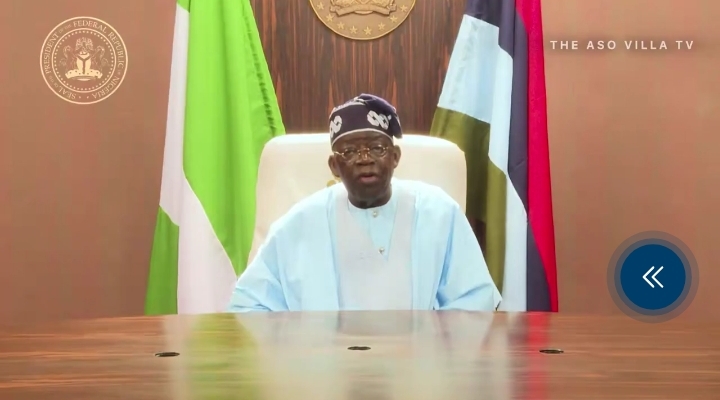
Tinubu stated this in his 2026 Independence Day address to Nigerians on Thursday, marking the 66th anniversary of the country’s independence.
The President said Nigeria’s journey since independence had been characterised by periods of hope and disappointment, including civil war, military rule, economic crises, insecurity and political upheaval.
He, however, said the country had survived its challenges because of the resilience and determination of its people.
Tinubu said the promise of independence went beyond the attainment of sovereignty, stressing that the country’s founding fathers envisioned a nation where citizens would have the freedom and opportunity to shape their own destiny.
“Independence carried a larger promise: that Nigerians would have the freedom to shape their own destiny and build a nation capable of providing opportunity, dignity and a better life for its people,” he said.
The President said the government had a responsibility to fulfil that promise, adding that the current administration had chosen to confront what he described as longstanding economic distortions rather than continue policies that, according to him, postponed difficult decisions.
Tinubu said the economic situation inherited by his administration in 2023 required difficult measures, including reforms that could cause short-term hardship while addressing deeper problems.
Using the analogy of a cancer patient, the President compared the reforms to painful medical treatment required to cure a serious disease.
“Nigeria was like a sick patient who receives the terrible news that he has cancer. His doctor explains that the treatment will be difficult and painful, but that it offers a strong prospect of recovery,” he said.
According to Tinubu, previous administrations had largely treated the symptoms of Nigeria’s economic problems without addressing their underlying causes.
“For too long, Nigeria’s leaders chose morphine while praying for a miracle that never came. They focused on symptoms while allowing the disease to take hold deep within the fabric of our society,” he said.
He said the government had instead opted to implement reforms despite their immediate consequences, arguing that the measures were intended to correct longstanding weaknesses in the economy.
“When this Administration assumed office, we resolved to do things differently. We chose to excise the cancer. The reforms that followed were difficult. The side effects were real. Yet, we must never confuse the medicine with the disease,” Tinubu said.
The President maintained that the reforms did not create the economic weaknesses confronting the country but were introduced to address them.
He also cautioned against calls to reverse the reforms and return to what he described as unsustainable subsidy arrangements.
“Our reforms did not create the weaknesses in our economy. They confronted them,” he said.
Tinubu urged Nigerians to remain committed to the reform process, saying the country should not abandon the path it had chosen in response to pressure to return to previous economic arrangements.
“We must resist their siren song. We must remember why we began this journey and how far we have already come,” he said.
The President also acknowledged the contributions of farmers, traders, teachers, entrepreneurs and members of the Armed Forces and other security agencies to the survival and development of the country.
He expressed appreciation to Nigerians for their resilience and continued belief in the possibility of a better country, describing that faith as one of the enduring inheritances of independence.