




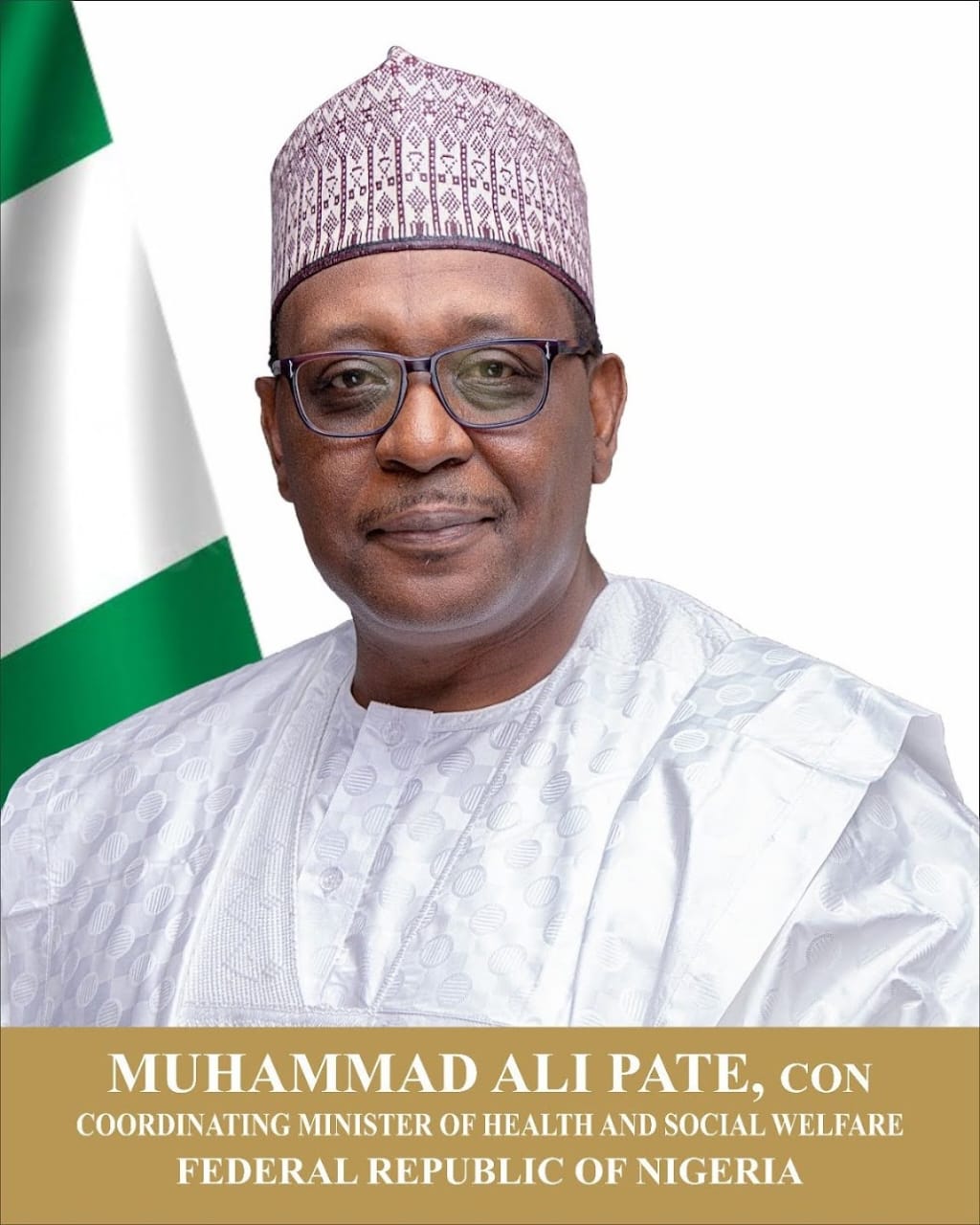
The Federal Government has defended its ongoing health sector reforms, stating that more than 37,000 health workers have been recruited across federal health institutions since 2023 as part of efforts to address workforce shortages, improve healthcare delivery and strengthen the nation’s health system.
The government also disclosed that over 70,000 frontline health workers have been trained during the period, while new measures are being implemented to tackle the growing migration of healthcare professionals abroad.
The Federal Ministry of Health and Social Welfare made the disclosures on Friday in response to growing public concerns over healthcare infrastructure, workforce shortages, healthcare financing, access to quality medical services and the migration of skilled personnel.
According to the ministry, the challenges confronting the health sector are well known and are the primary reasons behind the comprehensive reforms being implemented under the administration’s Health Sector Renewal Agenda.
“Recent public commentary on Nigeria’s health sector has raised important concerns about health workforce shortages, infrastructure, healthcare financing, the migration of skilled professionals and access to quality care. These are real challenges.
They are also the very reasons the Federal Government is implementing far-reaching reforms to strengthen Nigeria’s health system,” the ministry stated.
To address manpower gaps in the sector, the government said it had approved and implemented large-scale recruitment across federal health institutions while also investing heavily in workforce development and specialist training.
The ministry noted that the recently approved National Policy on Health Workforce Migration is designed to improve workforce planning, strengthen retention strategies and promote ethical recruitment practices amid the continued emigration of healthcare professionals.
According to the ministry, these initiatives are being supported by the National Health Workforce Registry, which is expected to improve data-driven decision-making and workforce management.
At the primary healthcare level, the government said reforms under the revised Basic Health Care Provision Fund (BHCPF 2.0) are improving service delivery, accountability and financial protection for millions of Nigerians.
The ministry disclosed that N32.9 billion has been approved under the revised framework to support more than 8,300 Primary Healthcare Centres nationwide, with plans underway to expand coverage to about 13,000 facilities.
“Government has approved ₦32.9 billion under the revised framework, supporting more than 8,300 Primary Health Care Centres, with expansion underway to approximately 13,000 facilities nationwide,” the statement said.
The ministry added that the reforms have already facilitated more than 80 million patient visits across healthcare facilities, while over 21 million vulnerable Nigerians have accessed medical services through the Vulnerable Groups Health Insurance Fund.
In the area of public health security, the government said disease surveillance and outbreak preparedness are being strengthened through the Nigeria Centre for Disease Control and Prevention (NCDC) Gateway under the BHCPF framework.
The ministry also highlighted ongoing efforts to improve the affordability and availability of medicines through the Presidential Initiative to Unlock the Healthcare Value Chain (PVAC).
According to the government, the initiative is aimed at expanding local pharmaceutical manufacturing, reducing dependence on imported medicines and improving access to essential drugs.
“The objective is simple: strengthen local production, improve medicine security and make essential medicines more available and affordable for Nigerians,” the ministry stated.
Beyond healthcare financing and workforce development, the government said investments are being made in health infrastructure, maternal and newborn healthcare, emergency preparedness systems, digital health technologies and sector-wide accountability mechanisms.
The ministry further revealed that progress reports from the 2025 Joint Annual Review showed that 84 per cent of the key performance indicators under the Presidential Health Sector Renewal Compact had been achieved.
“Lasting reform is measured not by rhetoric but by sustained action, transparent implementation and measurable results,” the ministry said.
While acknowledging that significant challenges remain within the healthcare system, the Federal Government reiterated its commitment to sustained reforms and collaboration with healthcare professionals, civil society organisations, development partners and the private sector.
The ministry said its overarching goal remains improving access to quality healthcare, reducing the financial burden of medical treatment and enhancing the wellbeing of Nigerians.
“Our mandate remains clear: to save lives, reduce both physical and financial pain, and improve the health and wellbeing of all Nigerians,” it added.