



The Federal Government has announced that only nationally evaluated, ranked and approved textbooks will be used in public primary, junior secondary and senior secondary schools nationwide from September 2026, in a move aimed at improving the quality of teaching and learning.
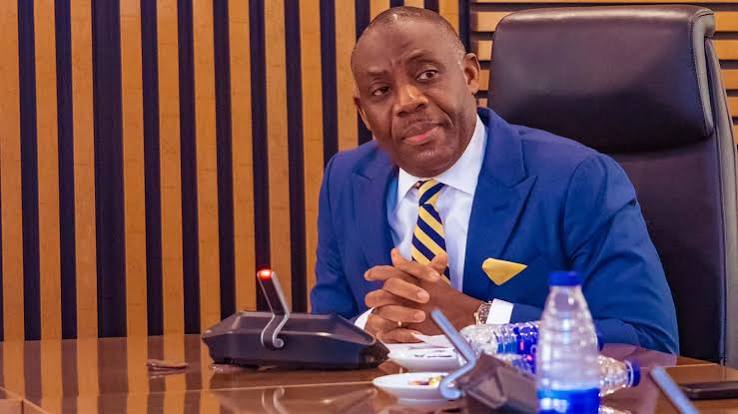
The Minister of Education, Dr Maruf Tunji Alausa, disclosed this in Abuja while unveiling the National Textbook Ranking System, describing the initiative as a major reform that would transform the selection of instructional materials across the country.
According to the minister, the policy establishes “a transparent, merit-based and quality-driven national framework” that aligns Nigeria’s textbook approval process with international best practices.
He said, “The new system establishes, for the first time, a transparent, merit-based and quality-driven national framework that aligns Nigeria’s textbook approval process with international best practices while guaranteeing every learner access to credible, curriculum-aligned and high-quality learning resources.”
Alausa explained that under the new policy, obtaining a licence from the Nigerian Educational Research and Development Council would no longer be sufficient for textbooks to be used in classrooms.
He said, “NERDC licensing alone will no longer qualify a textbook for classroom use. Every licensed textbook must undergo a rigorous national evaluation and ranking process, attain a minimum score of 70 per cent and satisfy prescribed academic, pedagogical, technical and quality assurance standards before it can be approved.”
The minister added that only the highest-performing textbooks would be adopted for schools, with approved titles for each subject limited to between six and 10, depending on curriculum requirements.
To drive the implementation, the Federal Government has constituted a National Textbook Ranking and Selection Committee comprising representatives of relevant education agencies and experts.
5Working with the NERDC, the committee will evaluate licensed textbooks before recommending the highest-ranked titles for the minister’s approval.
In a relief for publishers and authors, Alausa announced a reduction in assessment and ranking fees. The assessment fee has been cut from ₦2,000 to ₦1,500 per page, while the ranking fee has been reduced from ₦1 million to ₦750,000 per title.
He added that publishers who paid the former rates would receive refunds of the excess payments.
Beginning in September, only textbooks approved under the National Textbook Ranking System will be authorised for use in public schools across the country, while approved titles will remain valid for a minimum of three years.
The minister warned that schools, publishers and authors who fail to comply with the new policy would face sanctions.
He said the use of unapproved textbooks would attract “sanctions, including the blacklisting of defaulting authors, publishers and schools.”
Alausa noted that the reform would strengthen curriculum implementation, eliminate substandard textbooks, improve learning outcomes and restore public confidence in Nigeria’s education system, reaffirming the Federal Government’s commitment to providing every learner with quality instructional materials.