




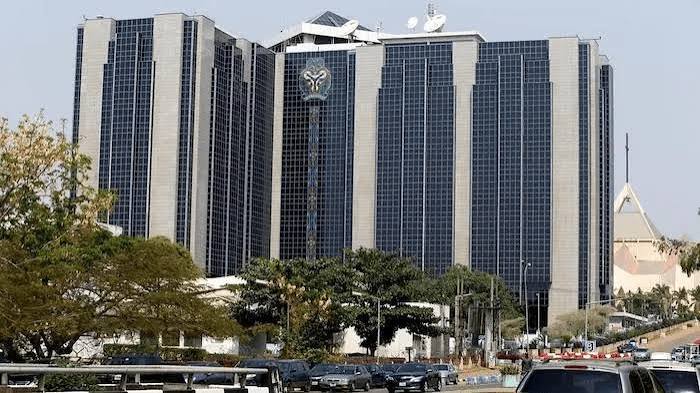
The Central Bank of Nigeria (CBN) has warned that escalating tensions in the Middle East could undermine recent improvements in Nigeria’s economy, despite growing foreign reserves, easing inflation and signs of stronger economic activity.
The warning came on Tuesday as the Monetary Policy Committee (MPC) of the apex bank retained the Monetary Policy Rate (MPR) at 26.5 per cent and maintained all other key monetary policy parameters.
Speaking while presenting the communiqué issued after the MPC’s 306th meeting in Abuja, CBN Governor Olayemi Cardoso said the committee was encouraged by recent macroeconomic developments but remained concerned about external risks that could reverse the gains.
“The key risk to the outlook remains the severe and prolonged escalation of the Middle East conflict,” Cardoso said.
The CBN governor noted that Nigeria’s external reserves had risen to $52.52 billion as of July 17, 2026, up from $50.47 billion at the end of May, largely driven by crude oil-related revenues and third-party inflows.
According to him, the reserves level is sufficient to finance approximately 11 months of imports of goods and services, far exceeding the international benchmark of three months’ import cover.
The MPC also welcomed signs of easing inflationary pressures, with headline inflation moderating slightly to 15.91 per cent in June, from 15.93 per cent in May, ending three consecutive months of increases.
Cardoso attributed the improvement largely to stability in the foreign exchange market and a slowdown in core inflation.
“Core inflation moderated to 15.92 per cent in June from 16.82 per cent in May, largely on the back of exchange rate stability,” he said.
The committee further noted that the 12-month average inflation rate declined to 17.63 per cent in June, marking the sixth consecutive month of moderation.
Despite the positive indicators, the CBN cautioned that renewed geopolitical tensions, particularly in the Middle East, could trigger volatility in global energy markets, disrupt trade flows and create inflationary pressures that may affect emerging economies, including Nigeria.
Analysts say prolonged instability in the region could impact crude oil prices, foreign investment flows and global supply chains, with potential implications for Nigeria’s fiscal and monetary outlook.
The apex bank, however, expressed confidence in the country’s economic fundamentals, noting that the economy expanded by 3.89 per cent in the first quarter of 2026, driven mainly by the non-oil sector.
The non-oil economy recorded growth of 3.94 per cent, supported by telecommunications, financial services, trade, transportation and other service-related activities.
Cardoso also pointed to recent improvements in business activities, with the composite Purchasing Managers’ Index (PMI) rising to 50.1 points in June from 49.6 points in May, indicating a return to expansion.
Looking ahead, the CBN projected that inflation would continue to moderate in the medium term due to foreign exchange stability, previous monetary tightening measures and improved food supply as the harvest season approaches.
“Inflation is projected to moderate further in the medium term on the back of continued stability in the foreign exchange market and improved food supply conditions as the harvest season approaches,” Cardoso said.
Nevertheless, the MPC stressed that it would remain vigilant and ready to respond to emerging risks.
“The committee remains prepared to take appropriate policy measures guided by evolving macroeconomic conditions,” the CBN governor added.
The latest position underscores the delicate balance facing policymakers as they seek to sustain economic recovery while navigating uncertainties in the global economy, particularly the potential fallout from conflicts in key oil-producing regions.