




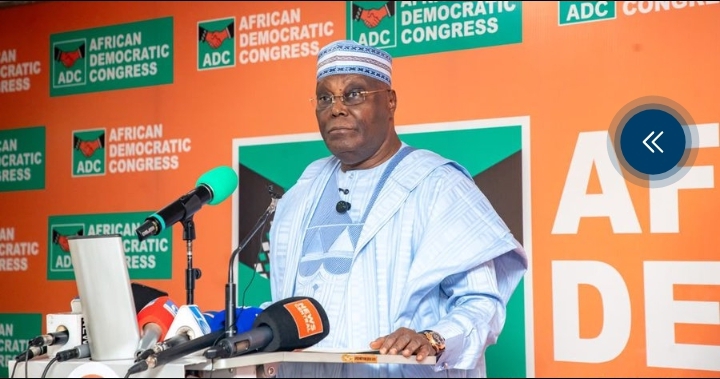
Former Vice-President and African Democratic Congress presidential candidate, Atiku Abubakar, has criticised the Federal Government’s proposed $500m World Bank loan, warning that the facility could impose additional financial obligations on the administration expected to take over in May 2027.
Atiku argued that the Bola Tinubu-led government should not enter into fresh borrowing arrangements towards the end of its tenure, insisting that an outgoing administration should not make financial commitments that could constrain its successor.
The proposed loan is part of a wider $3.85bn Nigeria Infrastructure Financing and De-Risking Platform for Growth and Jobs, known as INFRAGROW, designed to attract private capital into critical infrastructure projects.
According to the World Bank’s project information document, the proposed $500m facility comprises $400m from the International Bank for Reconstruction and Development and $100m from the International Development Association.
The World Bank has scheduled a technical design review for January 21, 2027, while May 25, 2027, has been listed as the estimated approval date, four days before the scheduled May 29 presidential inauguration.
Reacting to the proposal in a statement issued by his media aide, Phrank Shaibu, Director of Strategic Communication of the ADC Presidential Campaign Council, Atiku described the proposed borrowing as an attempt to tie the hands of the incoming administration.
“Taking loans as if you were a drunken sailor is a road to economic bondage, a second slavery,” he said.
The former Vice-President maintained that Nigerians deserved to know the full implications of the proposed facility, including its conditions, repayment obligations and potential risks to the country’s economic future.
He also called on the World Bank to withhold approval of the loan until adequate public scrutiny had been conducted.
“We call on the World Bank not to approve this proposed loan on the timetable now being contemplated,” Atiku stated.
He further argued that a government nearing the end of its tenure should not make borrowing commitments that would extend into the administration of its successor.
“I will not accept it. The Atiku administration will commence on May 29, 2027, and we will not begin our government by taking another loan,” he declared.
The proposed INFRAGROW initiative is structured to mobilise additional funding from private investors, commercial lenders and international financial institutions to support infrastructure development.
Under the financing arrangement, the Nigeria Sovereign Investment Authority is expected to contribute $200m in equity, while private investors are projected to provide another $200m. Commercial debt financing is estimated at $600m.
The wider framework also includes $100m in payment guarantees from the International Development Association and $2.25bn in guarantees from other international financial institutions.
The initiative is expected to operate through four major components covering project preparation, viability gap funding, risk capital and credit guarantees.
These facilities are designed to address funding difficulties associated with infrastructure projects, support project development and attract private investment into sectors including energy, transportation and water.
The World Bank has identified Nigeria’s annual infrastructure financing gap at approximately $100bn, noting that inadequate investment and weak project preparation remain major obstacles to economic growth and development.
The proposed $500m facility, however, remains subject to World Bank approval, with the published timetable indicating that the process could extend until May 2027.
Atiku’s criticism comes amid wider concerns over Nigeria’s rising public debt and the Federal Government’s borrowing plans.
The Debt Management Office reported that Nigeria’s total public debt stood at N166.79tn as of June 30, 2026, covering domestic and external obligations owed by the Federal Government, states and the Federal Capital Territory.
The former Vice-President’s position adds to the growing political debate over the Tinubu administration’s borrowing strategy, the country’s debt sustainability and the financial obligations that may be inherited by the next government.