



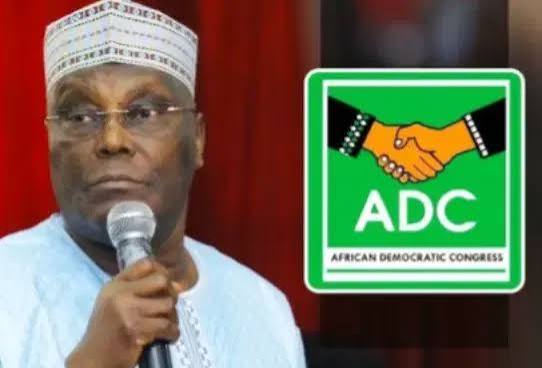
The African Democratic Congress presidential candidate, Atiku Abubakar, has said he will restore fuel subsidy if elected President in 2027, but stressed that his policy will focus on supporting domestic production rather than subsidising imported petrol.
Atiku said the proposed subsidy would be targeted at locally refined crude oil to enable Nigerian refineries to produce petroleum products at lower costs and pass the savings to consumers.
He made the clarification in a response to a supporter identified as Francis, explaining that his proposed policy was fundamentally different from the subsidy regime that supported the importation of petrol.
“I am not restoring subsidy so that Nigeria can keep paying for imported petrol. I am restoring subsidy so that Nigerians can produce more at home, pay less for fuel, and keep more money in their pockets,” Atiku said.
The former Vice President likened his proposed policy to government support for local manufacturers, using shoemakers in Aba, Abia State, as an example.
“Think about shoes. If government wants Nigerians to buy shoes more cheaply, it can spend public money making imported shoes cheaper, or it can support shoemakers in Aba to reduce their production costs so they can make more shoes here, employ more Nigerians and sell at more affordable prices,” he said.
Atiku added, “I choose the Aba shoemaker.”
According to him, the same principle would guide his approach to the petroleum sector, with government supporting locally refined crude to reduce production costs and ultimately lower the price paid by consumers.
“We will support crude refined in Nigeria so our refineries can produce at a lower cost and you can pay less,” he said.
Atiku said his affordability agenda would not be limited to petrol prices, stressing that lower energy and transportation costs would have a wider impact on the economy and household finances.
He said his administration would seek to reduce the cost of transportation, the movement of food from farms to markets and energy expenses for small businesses.
“I want the bus fare you pay every morning to come down. I want the cost of taking food from the farm to the market to come down. I want the trader to spend less. I want the barber, tailor, welder and small business owner to spend less on energy,” Atiku said.
The ADC candidate said the ultimate objective was to increase the amount of money available to Nigerian families after meeting their basic daily expenses.
“I want a mother to return from the market with more food in her bag. I want a father to pay transport and still have something left in his pocket,” he said.
He also said small businesses should be able to make meaningful profits rather than spending most of their daily earnings on fuel.
“I want a small business owner to close for the day with profit, not just enough money to buy fuel for tomorrow,” Atiku said.
The former Vice President described affordability as a broader economic objective involving lower fuel and transport costs, reduced pressure on food prices and increased disposable income for households.
“That is what affordability means to me: less money spent on fuel, less money spent on transport, less pressure on food prices, more money left for your family,” he said.
Atiku said his commitment was to ensure that Nigerians experienced tangible relief in their homes and businesses if elected.
“My promise is personal: I want you to feel relief in your pocket, in your home and in your daily life,” he said.
He concluded by pledging to make affordability a central focus of his proposed administration.
“I will make life affordable again. I will make Nigeria affordable again. It is a promise,” Atiku said.