



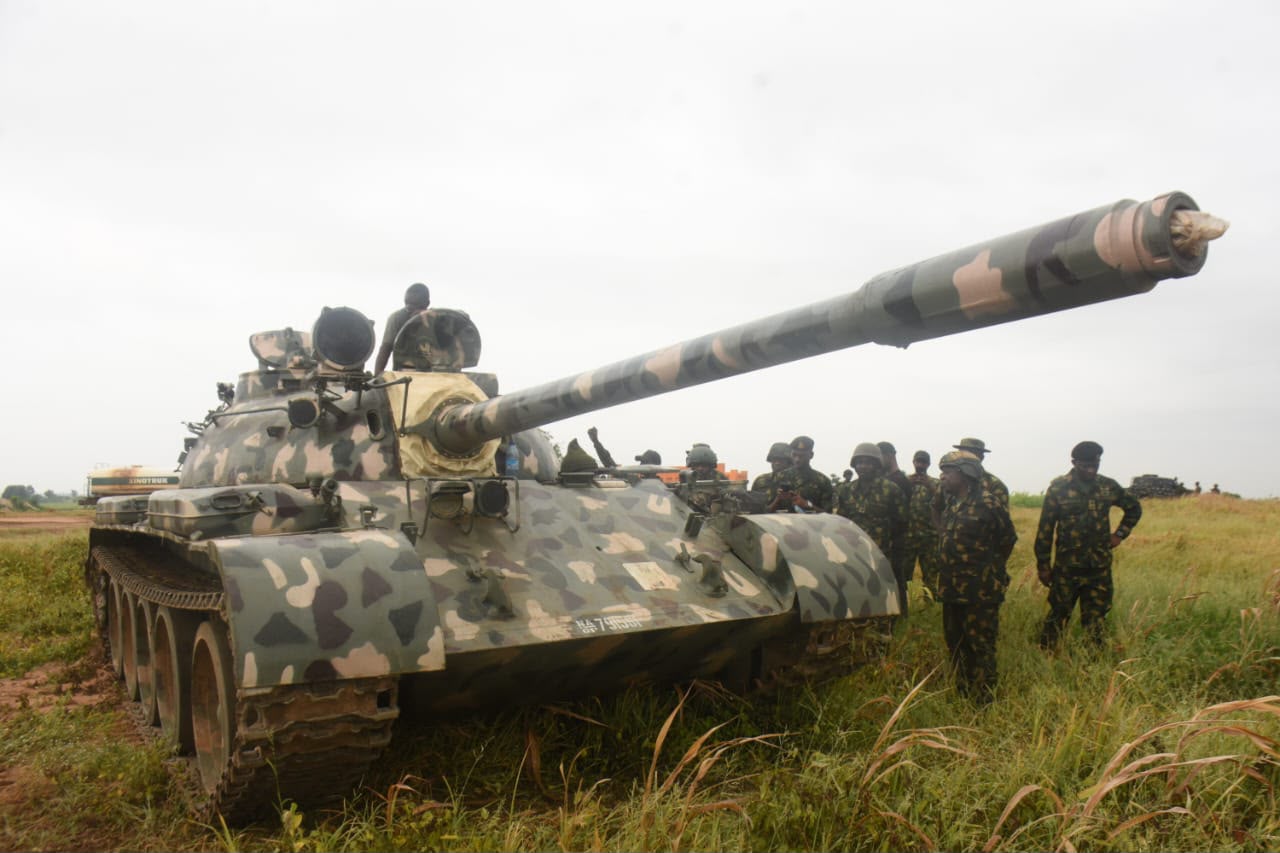
The United States has commenced specialised military training for Nigerian troops in unmanned aircraft systems, combat casualty care and other battlefield skills as part of efforts to strengthen Nigeria’s capacity to tackle terrorism, banditry and other security threats.
The training, conducted at the US operating location in Bauchi State, focused on enhancing the operational readiness of Nigerian forces through improved technological capabilities, tactical skills and battlefield response.
The exercise formed part of the broader security cooperation between Nigeria and the United States aimed at building partner capacity, improving military effectiveness and strengthening collaboration between both countries.
According to a report by the United States Africa Command (AFRICOM), the training covered Combat Lifesaver and Tactical Combat Casualty Care instruction, weapons familiarisation, camouflage, water treatment and testing, explosive ordnance disposal, small-unit tactics and unmanned aircraft systems.
“US and Nigerian forces are conducting a series of training events at Operating Location Bauchi, Nigeria, aimed at sharing military expertise, strengthening partner capacity and building relationships between service members from both nations,” AFRICOM said.
The training on unmanned aircraft systems attracted particular interest from Nigerian forces, with personnel from the Nigerian Air Force Special Forces Regiment receiving hands-on instruction on the operation and tactical application of the technology.
The US Army’s Sgt Mark Murphy, an intelligence analyst assigned to the 13th Combat Sustainment Support Battalion, led the drone training session, where Nigerian personnel were taught how to operate the systems and integrate intelligence gathered from the aircraft into military operations.
Murphy said the Nigerian troops showed strong interest in the technology and were eager for further training opportunities.
“They were really excited with being able to get hands-on time with it,” he said.
The US military said drone technology was among the areas Nigerian forces identified as beneficial, highlighting the growing importance of unmanned systems in modern warfare, particularly for surveillance, intelligence gathering and tactical operations.
A logistics officer assigned to the US Army Southern European Task Force, Africa, Capt Gabriel Feingold, explained that Nigerian military authorities selected the training areas based on their operational needs.
“We bring them a list of several different training topics, and they select what they think would be most beneficial for them,” Feingold said.
Beyond technical skills, the exercise also focused on strengthening cooperation and improving interoperability between Nigerian and American forces.
Feingold said the engagement helped build relationships between personnel from both militaries, particularly at the operational level.
“It helps build relationships between Soldiers and the partner force, especially at the lower levels,” he said.
The latest training comes weeks after AFRICOM disclosed that the United States had withdrawn most of its troops deployed to Nigeria for a specific counterterrorism operation, while maintaining intelligence-sharing and security cooperation with the country.
The continued training partnership signals Washington’s commitment to supporting Nigeria’s efforts to improve its military capability and confront evolving security challenges across the country.