



The United States has commenced the implementation of a permanent Visa Bond Programme requiring certain Nigerian and other African applicants seeking business and tourist visas to pay refundable security deposits of up to $20,000 before their visas are issued.
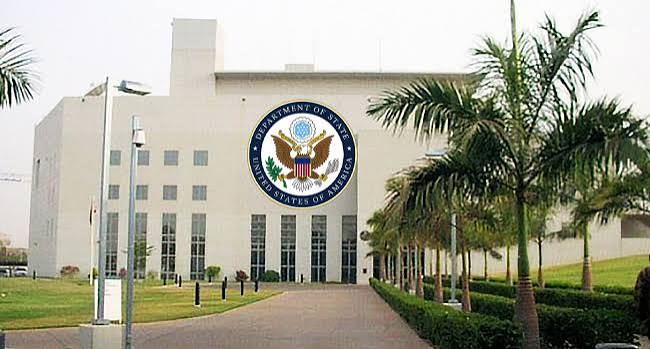
The policy, which took effect on Monday, August 3, was announced by the U.S. Department of State as part of efforts to curb visa overstays and strengthen compliance with U.S. immigration laws.
Under the programme, consular officers may require applicants for B-1 (business) and B-2 (tourist) visas from designated countries to post visa bonds ranging from $5,000 to $20,000, depending on the level of perceived immigration risk.
The bond will be refunded if the visitor complies with the terms of the visa and departs the United States before the expiration of the authorised period of stay.
According to the State Department, the programme targets nationals of countries with high rates of visa overstays, inadequate information-sharing mechanisms, weak identity verification systems, limited access to criminal records, and deficiencies in screening, vetting and the security of travel and civil documents.
The Department said the measure is in line with Executive Order 14159, titled “Protecting the American People Against Invasion,” which directs the Departments of State, Treasury and Homeland Security to strengthen the administration of immigration bonds under U.S. law.
The move is expected to affect applicants from more than 30 African countries, including Nigeria, although the bond requirement will not automatically apply to every applicant.
Instead, U.S. consular officers will determine on a case-by-case basis whether a visa applicant should be required to provide the refundable security deposit.
The visa bond is separate from the regular visa application fee and is intended to serve as a financial guarantee that the traveller will comply with U.S. immigration regulations. Applicants who overstay their visas or violate immigration conditions risk forfeiting the bond.
Meanwhile, the U.S. Embassy in Nigeria has warned visa applicants against submitting passport photographs that have been altered with artificial intelligence tools or digital filters.
The embassy said only genuine, unedited passport photographs that meet official U.S. visa specifications would be accepted, warning that the submission of AI-generated or manipulated images could delay or affect visa applications.
The latest measures underscore Washington’s efforts to tighten immigration controls while encouraging greater compliance with visa conditions by foreign visitors.