





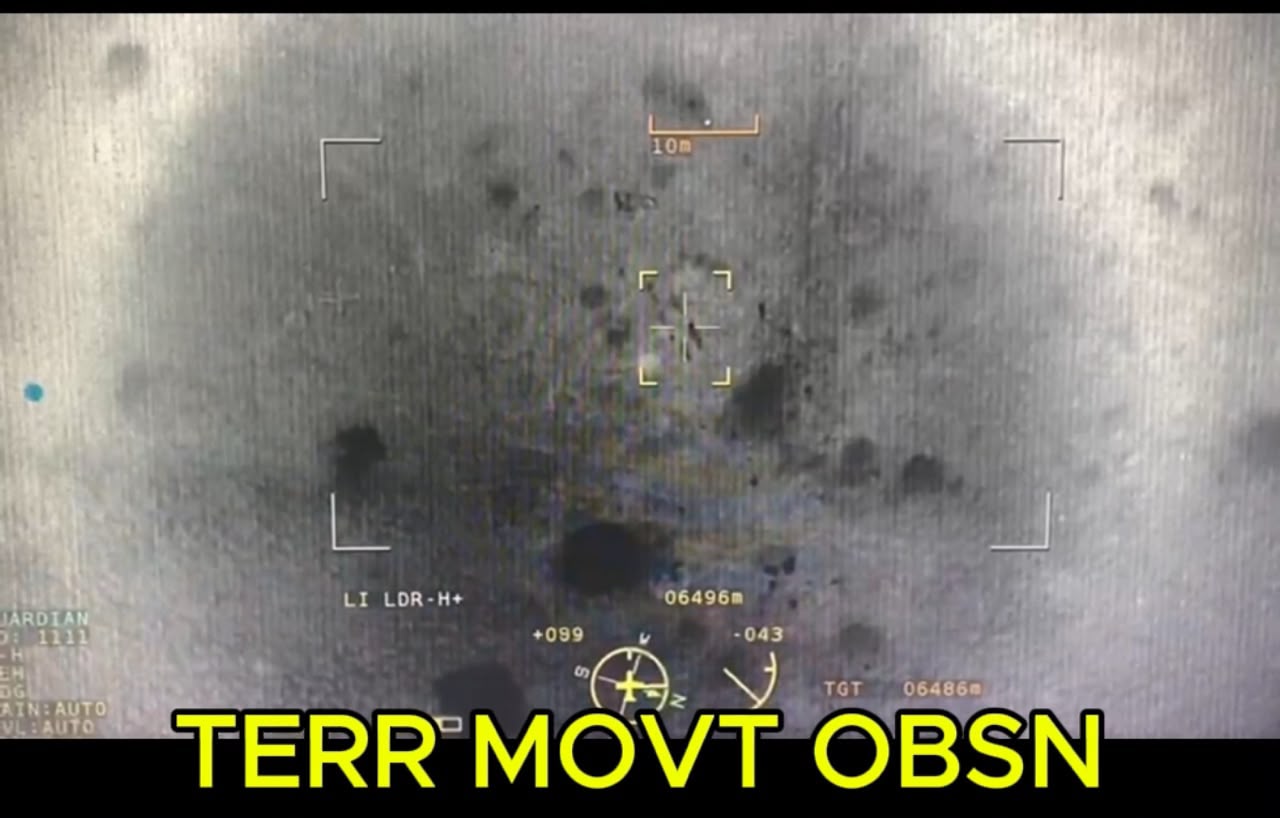
The Nigerian military says it has neutralised 103 suspected terrorists in seven precision air strikes targeting Islamic State West Africa Province (ISWAP) fighters, commanders and logistics facilities across the North-East between October 10 and 18, 2026.
The strikes were carried out by the Joint Task Force, North-East, under Operation Hadin Kai, using Nigerian Army Aviation, the Nigerian Army Remotely Piloted Aircraft Systems (NARPAS) Regiment and the Air Component.
According to a statement issued on Monday by the Acting Military Information Officer at the Headquarters of the Joint Task Force, Captain Mohammed Goni, the operations targeted terrorist positions in Borno and Adamawa states, disrupting the group’s leadership and logistics networks.
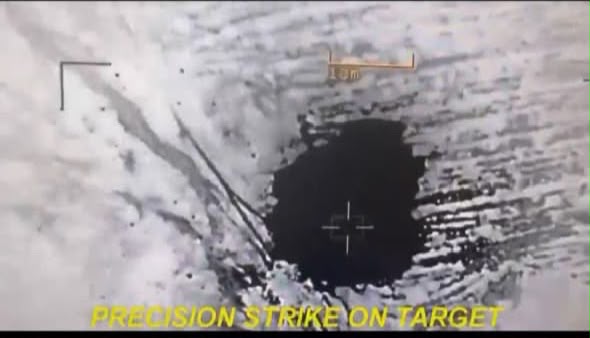
The military said the operations covered Gudumbali in Guzamala Local Government Area, Badu in Monguno LGA, Mairari in Guzamala LGA, an area east of Badu, Duste Uku in Gombi LGA of Adamawa State, and a location in Arina Woje, Monguno LGA, where a senior ISWAP leader reportedly maintained an alternative residence.
Goni said the strikes formed part of sustained efforts to weaken the insurgents’ operational capabilities, destroy their supply networks and deny them safe havens across the theatre.
A major operation was conducted on October 18 against an alternative residence allegedly belonging to Abu Saleem, identified by the military as the ISWAP Wali of South Lake Chad, in the Arina Woje area of Monguno LGA, Borno State.
According to the military spokesman, the strike followed intelligence gathering, surveillance and reconnaissance activities.
Subsequent human intelligence assessments reportedly confirmed the deaths of Jindullah, described as a prominent ISWAP fighter and Abu Saleem’s chief security guard, and Abul Kissa, a member of the group’s Shura Council.
Other fighters were also reportedly killed in the attack.
The military said the targeted structure was completely destroyed, alongside logistics equipment stored at the location, including nine boat engines and several motorcycles.
It added that the operation disrupted the insurgents’ use of the facility as a hideout and logistics base.
Earlier, on October 13, a military surveillance asset reportedly tracked 16 suspected terrorists from the Mairari axis to a gathering of more than 100 fighters accompanied by several motorcycles.
The gathering was located approximately 23 kilometres east of Badu and 19 kilometres west of Monguno, according to the statement.
A subsequent precision air strike on the assembly was assessed to have killed about 30 terrorists, although the extent of damage to the motorcycles could not be immediately established.
The military said other strikes during the eight-day period targeted terrorist positions and facilities around Gudumbali, Badu, Mairari and Duste Uku.
The operations, it added, resulted in the destruction of several logistics hubs and storage facilities used by the insurgents.
The military attributed the reported successes to intelligence-led targeting and coordination among Nigerian Army Aviation, the NARPAS Regiment, the Air Component and ground troops.
Goni said Operation Hadin Kai would continue to maintain pressure on terrorist groups operating in the North-East, with emphasis on dismantling their command structures, disrupting supply routes and preventing them from establishing safe havens.
The operation forms part of the military’s broader campaign against insurgent groups operating in the region, particularly ISWAP and Boko Haram, whose activities have continued to pose security challenges across parts of Borno and neighbouring states.
The military said it remained committed to restoring peace and security in the North-East through sustained operations against terrorist networks.
The reported casualty figures and details of the strikes were provided by the military; independent verification of the claims was not included in the statement.
Attribution: Captain Mohammed Goni, Acting Military Information Officer, Headquarters Joint Task Force (North-East), Operation Hadin Kai, Maiduguri, in a statement dated October 19, 2026.