






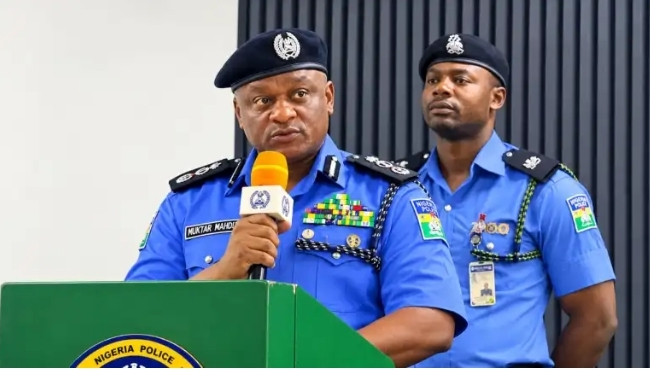
The Inspector-General of Police, Olatunji Disu, has directed commissioners of police and zonal commanders across the country to strengthen engagement with journalists as part of efforts to combat fake news, misinformation and security threats ahead of the 2027 general elections.
Disu gave the directive on Wednesday, November 11, during a strategic meeting with Deputy Inspectors-General of Police, Assistant Inspectors-General and commissioners of police at the Force Headquarters in Abuja.
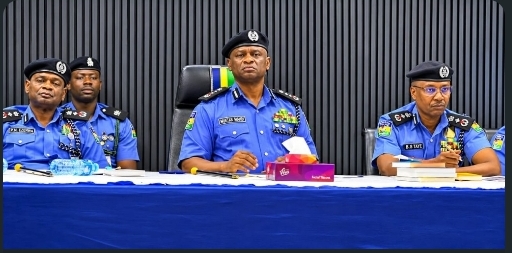
He said sustained collaboration between police commands and the media had become necessary as political activities intensified, warning that false information and misleading reports could undermine public confidence, trigger tension and threaten the peaceful conduct of the forthcoming elections.
The police chief stressed that regular communication with journalists would enable police formations to clarify security developments promptly, address misleading narratives and prevent rumours from escalating into security challenges.
Reaffirming the neutrality of the Nigeria Police Force, Disu warned officers against allowing themselves to be used by politicians or political parties for partisan purposes.
“We will remain neutral. Ensure the safety and security of the electorate before, during and after the election,” he said.
He cautioned that officers found engaging in partisan political activities would face disciplinary measures in accordance with the law.
As part of preparations for the elections, the IGP also announced the suspension of leave for personnel assigned to election-related duties until after the polls, explaining that the measure was necessary to ensure adequate manpower and operational readiness.
On police accountability, Disu directed commissioners to ensure that allegations of human rights violations and misconduct were properly documented, investigated and resolved within a reasonable timeframe.
He further ordered police commands and zonal formations to establish accessible and visible Complaints Response Units to provide members of the public with channels to report misconduct and seek redress.
The IGP also charged state commissioners to ensure prompt payment of death benefits to families of officers who died in active service, directing them to personally visit affected families as a demonstration of the Force’s commitment to their welfare.
Addressing broader security concerns, Disu acknowledged the efforts of police personnel in tackling criminal activities but urged commanders to intensify operations against prevailing threats, particularly banditry in parts of the country.
He also directed commissioners of police to obtain express approval from his office before travelling outside their respective states.
The latest directives come amid growing concerns over the potential impact of misinformation, fabricated videos and digitally manipulated content on the credibility and security of the 2027 electoral process.
At a separate engagement with the Crime Correspondents Association of Nigeria (CCAN) in Abuja, the police chief warned that fake news could create insecurity, discourage voter participation and erode public confidence in the electoral process.
“Fake news does not merely accompany insecurity; it can manufacture it,” he said.
He disclosed that the Nigeria Police Force was strengthening its digital surveillance and forensic capabilities through the National Cybercrime Centre to identify individuals responsible for circulating fabricated notices, videos and other misleading materials.
However, he maintained that the measures were intended to address deliberate fabrications and incitement capable of threatening public safety, not to suppress legitimate journalism or criticism.
Disu also announced plans to establish a dedicated verification channel with accredited crime correspondents to facilitate the prompt confirmation of security-related information during the election period.
He urged journalists to distinguish verified facts from claims, establish the origins of videos before publication and give relevant authorities opportunities to respond to sensitive security reports.
The IGP’s directives place police-media cooperation, political neutrality and institutional accountability at the centre of the Force’s preparations for the 2027 elections, as security agencies face increasing pressure to safeguard the electoral process and maintain public confidence.




