






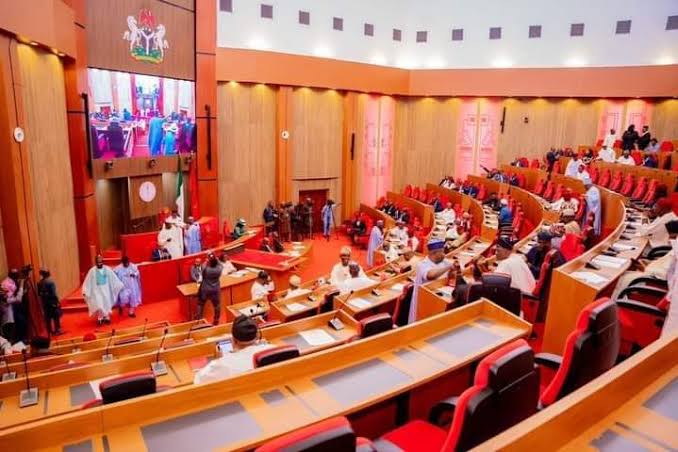
The Senate has advanced a bill seeking to empower the National Postgraduate Medical College of Nigeria to award Doctor of Philosophy degrees in clinical medicine, dentistry and related disciplines, as part of efforts to strengthen medical research and specialist training in the country.
The bill passed second reading during plenary in Abuja on Tuesday, alongside a separate proposal seeking to strengthen the independence and operational autonomy of the Nigerian Safety Investigation Bureau (NSIB).
Both amendment bills were sponsored by the Senate Leader, Opeyemi Bamidele.
Leading the debate on the proposed amendment to the National Postgraduate Medical College of Nigeria Act, Bamidele said the legislation would expand the institution’s responsibilities beyond conducting professional postgraduate examinations to include establishing academic programmes and awarding doctoral degrees.
The lawmaker representing Ekiti Central Senatorial District said the proposed changes would strengthen the relationship between specialist medical training, clinical research and advanced academic development.
“This proposed expansion represents an important step towards strengthening the relationship between specialist medical training, clinical research, and advanced academic development,” Bamidele said.
He explained that the amendment would provide a legal framework for the college to contribute more directly to research, academic scholarship and the development of specialised medical knowledge.
“It will create a statutory basis for the College to contribute more directly to the development of research capacity, clinical scholarship, and specialised knowledge within the medical profession,” he added.
Bamidele said the proposed legislation would also define the college’s academic responsibilities and establish a framework for doctoral programmes subject to the accreditation and regulatory oversight of the National Universities Commission.
According to him, the amendment is intended to align the institution’s expanded mandate with its academic obligations and strengthen its contribution to medical education in Nigeria.
The bill was seconded by the Senate Chief Whip, Mohammed Monguno, before the chamber advanced it to the next stage of legislative consideration.
In a separate development, the Senate also passed for second reading a bill seeking to amend the Nigerian Safety Investigation Bureau Act to improve the agency’s independence and effectiveness in investigating transportation accidents and incidents.
Bamidele said the proposed changes were designed to strengthen the country’s accident investigation framework and ensure that findings from investigations contribute more effectively to preventing future incidents.
He explained that the amendment would improve the quality and credibility of safety investigations by removing certain ministerial approval and recommendation requirements in the bureau’s appointment and administrative processes.
The bill was seconded by the Deputy Minority Leader, Olalere Oyewunmi.
Following the debates, Senate President Godswill Akpabio referred the medical college bill to the Senate Committee on Tertiary Institutions and the Tertiary Education Trust Fund for further legislative scrutiny.
He also referred the proposed amendment to the Nigerian Safety Investigation Bureau Act to the Senate Committee on Aviation.
Both committees are expected to examine the proposed amendments and report back to the Senate as the bills proceed through the legislative process.
The proposals will require further legislative consideration and approval before any of the proposed changes can become law.




