


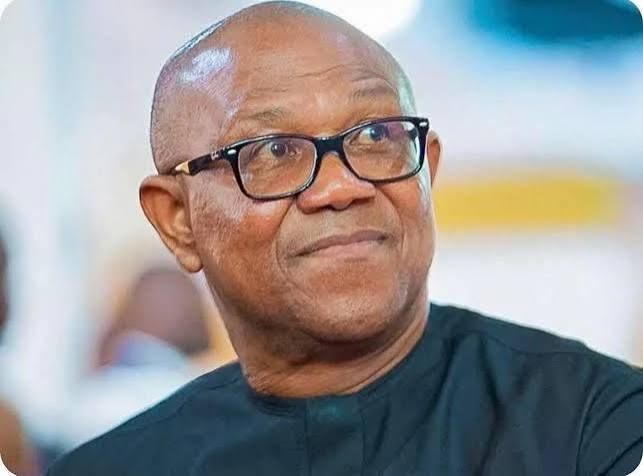
Former presidential candidate of the Labour Party, Peter Obi, has urged governments at all levels to prioritise the reconstruction and maintenance of existing roads and infrastructure rather than embarking on new projects.
Obi, in a statement on his X account on Monday, said the poor state of some roads across the country had continued to impose economic hardship on Nigerians, leading to wasted man-hours, increased transportation costs and losses for businesses.
He shared a personal experience involving a traveller who left Onitsha for Lagos, saying what used to be an eight-hour journey had now stretched to almost two days due to poor road conditions.
“I left someone in Onitsha on Saturday night to take the first bus to Lagos on Sunday morning. Until I left Lagos at 8 pm yesterday, he had not arrived in Lagos. He only arrived in Lagos at about 2 pm today. A journey that usually takes a maximum of 8 hours now takes nearly two days,” Obi said.
The former Anambra State governor said the challenges caused by deteriorating roads went beyond inconvenience, affecting productivity, businesses and the wider economy.
“This is not just about bad roads. It is about lost man-hours, stranded passengers sleeping on highways, wasted fuel, damaged vehicles, delayed goods, and businesses losing millions of naira,” he stated.
Obi argued that Nigerians needed functional infrastructure that directly improves their daily lives rather than projects designed mainly for publicity.
“Nigerians do not need new projects just for the headlines. We need functional roads that make life and economic activity possible,” he said.
He stressed that the value of infrastructure should be measured by its impact on citizens rather than the size or cost of projects undertaken by governments.
“A government must understand that infrastructure is not necessarily about the size of the project; it is about the number of lives and livelihoods it improves,” Obi added.
The former presidential candidate maintained that improved infrastructure remains critical to economic growth and better living conditions, expressing optimism about Nigeria’s future.
“A new Nigeria is POSSIBLE, and Nigeria will be OK,” he said.