

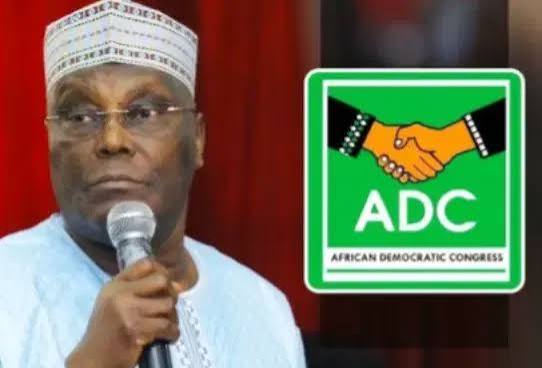
The Presidency has fired back at the presidential candidate of the African Democratic Congress, Atiku Abubakar, over his pledge to restore petrol subsidy if elected President in 2027, warning that reversing the policy would undermine Nigeria’s economic recovery, shrink the growing economy and create fresh avenues for corruption.
The Special Adviser to the President on Media and Public Communications, Sunday Dare, described Atiku’s position as hypocritical and deceptive, accusing him of attempting to exploit public frustration over the economic hardship associated with subsidy removal for political gains.
Dare said restoring the subsidy would amount to a setback for the reforms introduced by President Bola Tinubu’s administration and could halt what he described as ongoing recovery across various sectors of the economy.
“Your pronouncement that you will bring back fuel subsidy is drenched in hypocrisy and deceit. It is an unpardonable manipulation of the public psyche, designed to hoodwink unsuspecting Nigerians into voting for you,” Dare said.
The presidential aide argued that the subsidy regime had created significant opportunities for corruption and financial leakages, with government resources being spent on subsidising petrol rather than investing in productive sectors of the economy.
He said returning to the policy would reverse efforts to redirect public resources towards infrastructure, social services, job creation and other areas capable of supporting sustainable economic growth.
Dare also warned that reinstating the subsidy could weaken the gains recorded in public revenue and shrink the economy by diverting resources away from productive investments.
He maintained that the hardship experienced following the removal of the subsidy should not be used as justification for returning to what he described as an unsustainable system.
“The ongoing recovery across various sectors of our national life annoys you, and will be halted if this thinking of yours is implemented,” he said.
According to Dare, the Federal Government’s decision to remove the subsidy was part of broader reforms aimed at addressing structural weaknesses in the economy and placing public finances on a more sustainable footing.
The subsidy policy has remained one of the most contentious aspects of the Tinubu administration’s economic reforms since the President announced its removal in his inaugural address on May 29, 2023.
The decision immediately triggered an increase in petrol prices and contributed to a sharp rise in the cost of transportation, food and other essential goods, fuelling widespread concerns over the impact on households and businesses.
The Federal Government, however, has consistently argued that the policy has freed significant resources for the government and increased allocations to the three tiers of government.
The Minister of Finance and Coordinating Minister of the Economy, Taiwo Oyedele, said on Wednesday that the country had generated N15.8tn in resources from the removal of petrol subsidy between June 2023 and December 2025.
Atiku had questioned the utilisation of the resources generated from the policy, asking where the money had gone and arguing that the savings should have been used to reduce poverty, improve education, strengthen security and create opportunities for young Nigerians.
The former vice-president subsequently pledged to restore the subsidy if elected in 2027, promising to ensure that the resources were properly deployed for the benefit of Nigerians.
Dare, however, rejected the proposal, insisting that reversing the policy would undermine the economic reforms and create conditions for a return to the corruption and inefficiencies associated with the subsidy regime.
“By the Grace of God, it will not happen and all good men of conscience must rise up against you,” Dare said.
The exchange between the Presidency and Atiku is expected to further elevate subsidy removal as a major issue in the 2027 presidential campaign, with the two sides presenting contrasting positions on the direction of Nigeria’s economic reforms.