




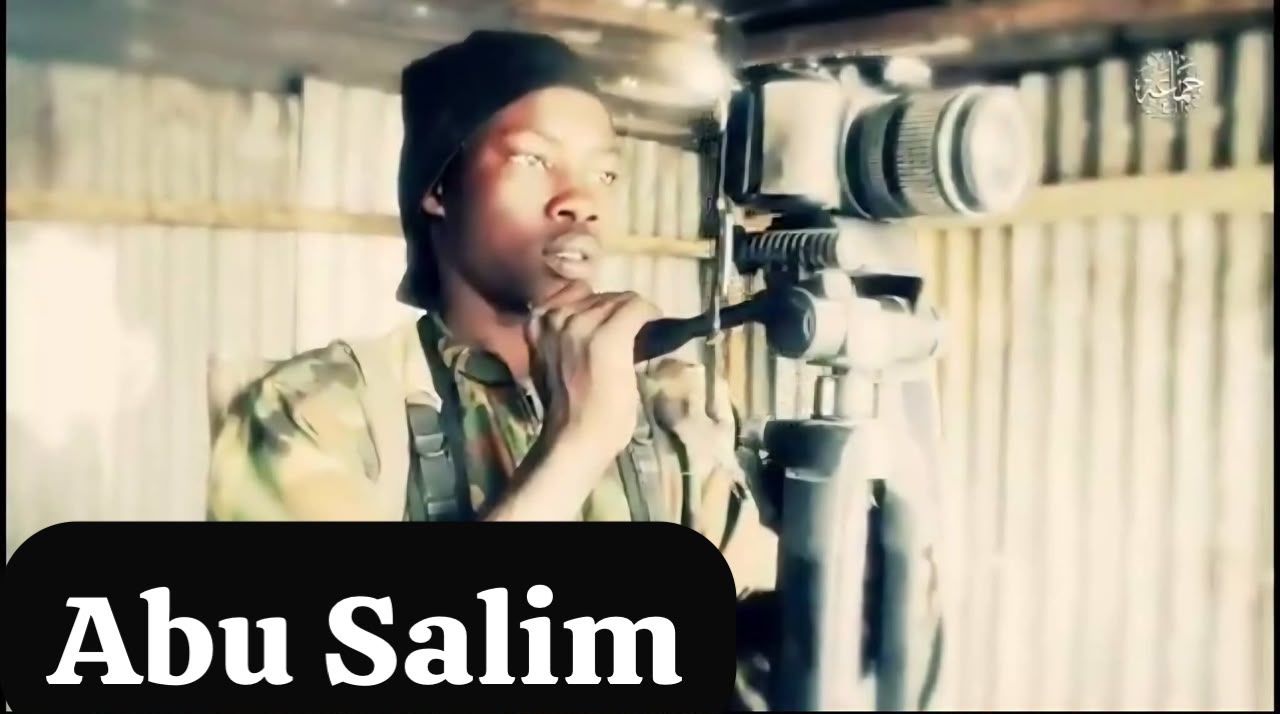
Operation HADIN KAI has confirmed the elimination of a senior Islamic State West Africa Province (ISWAP) operative, Abu Salim al-Barnawi, described as the group’s chief photographer and propaganda operative, during a failed terrorist attack on a military position in Borno State.
The military said Abu Salim was killed alongside other members of ISWAP’s mobile media team, including Abu Umar Khattab and Abu Khalid Usman, during the failed infiltration of troops’ location at Cross Kauwa on July 12, 2026.
In a statement issued on Wednesday in Maiduguri by the Acting Military Information Officer of Operation HADIN KAI, Captain Mohammed Goni, the military said the terrorist organisation had subsequently acknowledged Abu Salim’s death through an obituary publication, confirming the loss of one of its key operatives.
According to the statement, intelligence reports revealed that Abu Salim previously served as a raid commander who coordinated cross-border terrorist operations into Cameroon before he was reassigned to ISWAP’s media and propaganda unit.
The military said he was responsible for photographing and filming terrorist attacks, producing propaganda materials and disseminating extremist content aimed at glorifying the activities of the terrorist group and recruiting new members.
The statement noted that a video camera recovered during the operation had earlier provided indications that members of the terrorist group’s media team were among those neutralised during the attack.
Operation HADIN KAI said the elimination of the media operatives represented a major setback for ISWAP’s propaganda machinery and operational structure.
“The loss of such experienced operatives further degrades the terrorists’ operational capability, weakens their propaganda apparatus, erodes their command structure and diminishes their ability to spread extremist narratives and create an illusion of strength,” the statement said.
The military disclosed that troops inflicted heavy casualties on the terrorists during the failed assault, killing several high-profile fighters, including a Syrian national identified as a foreign mercenary and a senior commander, Aliyu Zabarmari. Another foreign fighter was reported missing following the encounter, while several terrorists reportedly sustained severe injuries as they retreated under intense military pressure.
Security analysts have repeatedly identified propaganda and media operations as critical tools used by Boko Haram and ISWAP to project influence, spread fear, attract recruits and exaggerate battlefield successes.
The destruction of such networks is therefore considered a significant component of counterterrorism operations in the North-East.
Military authorities said the terrorist group’s decision to publicly issue an obituary for Abu Salim underscores the growing pressure being exerted on its leadership and operational cells through sustained military offensives.
According to Operation HADIN KAI, the development also highlights the increasing difficulty faced by the insurgents in replacing experienced commanders and technical operatives who have been systematically eliminated in recent operations.
The military reiterated its commitment to sustaining intelligence-driven operations aimed at dismantling terrorist networks, destroying logistics and propaganda structures, and denying insurgents freedom of action across the North-East.
Operation HADIN KAI added that troops would continue offensive operations against the remnants of Boko Haram and ISWAP until lasting peace and security are fully restored in the region.