




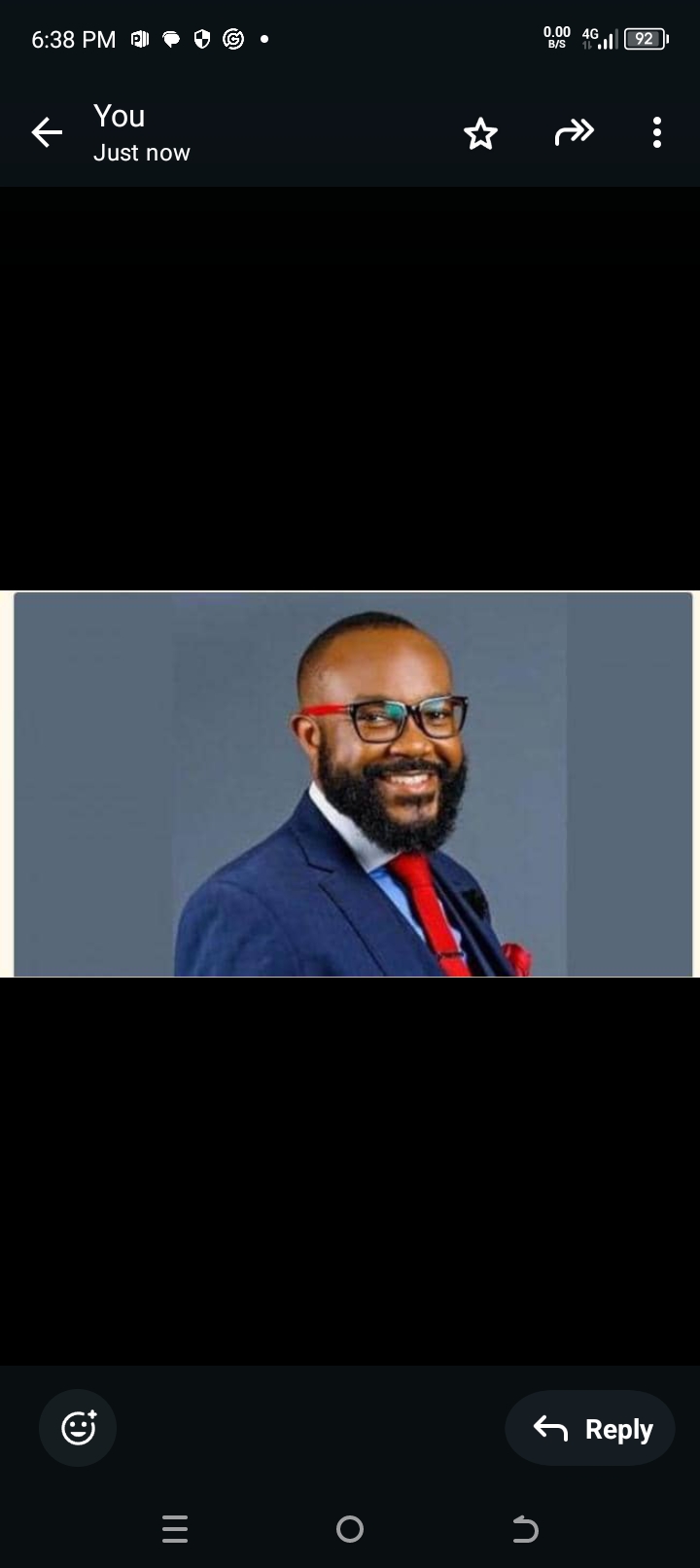
Following the successful staging of the first fencing World Cup in
Sub-Saharan Africa, the Nigeria Fencing Federation, led by Adeyinka
Samuel, says he hopes to capitalize on the gains of hosting the tournament to
grow fencing in the country. Speaking in a question and answer session to www.sunrisetimes.com.ng , Adeyinka said the Fencing Federation in Nigeria aims to attract more Nigerians to the sport through its various projects which included the just concluded Fencing World Cup which was held in Lagos.
Read the excerpts of the interview below:
How challenging was it to host the first World Cup?
Hosting the first World Cup was quite challenging for several reasons.
As it was our first time, planning was difficult due to uncertainties
about the number of countries and participants. We also had to comply
with several international regulations, and limited funds and support
added to the challenges.
What inspired you to bid for the tournament?
Hosting international events is one of our four cardinal points. Our
goal is to eventually host the World Championships but to achieve that,
we need to host a series of major international tournaments like the
World Cup to gain experience.
What lessons were learned from hosting the tournament?
We learned many lessons from hosting the World Cup. We have requested
the International Fencing body to schedule the tournament earlier in the
year to avoid the December rush, as flights and accommodation are busier
and more expensive in December.
What level of support did you receive from the private and public
sectors?
For the scale of the tournament, we received limited support. We did get
some assistance from private organizations like FCMB, Anais Kale,
Marcelle Ruth, Viju, and Procari Sweat, as well as from the Nigerian
Olympic Committee. Our biggest sponsor was Charterhouse Lagos.
How would you describe the experience of hosting the first World Cup in
Sub-Saharan Africa?
It was a different experience from hosting other competitions due to
more stringent rules and several considerations to meet international
standards. Having observers from the International Fencing Federation
and the Commonwealth Fencing Federation kept us on our toes.
What are the lessons for Nigerian fencers?
This tournament has been a major learning curve for our fencers. More
training is required, but importantly, our fencers need to experience
more international tournaments at a world-class level to gain the
experience and confidence needed to excel.
How excited are you about hosting it at Charterhouse Lagos?
We are very excited to partner with Charterhouse Lagos. Their venue and
facilities are state-of-the-art, and the senior management is very
pleasant to work with. We received great feedback from international
athletes, with some saying, “This is one of the top 3 venues in all the
Junior World Cup tournaments in the world.”
What impact did the presence of British and Commonwealth Fencing
Federations have on the tournament?
British Fencing is one of the leading fencing nations and was
influential in putting together the International Fencing Federation’s
constitution. Having the British Fencing President and the Commonwealth
Fencing Federation present shows the international respect and
recognition we are gaining.
How do you intend to use the gains of the tournament to attract more
people to the sport?
We plan to attract more people to fencing by regularly hosting top-tier
tournaments in the country, where the world’s best athletes can inspire
more people to join the sport. These tournaments are also gaining more
international and national recognition, making them attractive to
partners and sponsors.
What are the challenges and the way forward for subsequent events?
One of our biggest challenges was finding a suitable venue for major
international tournaments, which we have now overcome. The next
challenge is securing the right partners and sponsors to ensure we have
enough resources to host these tournaments successfully. Despite limited
support for this tournament, it was a success, and we are grateful.
Where do you see fencing in Nigeria in the next few years?
I see Nigeria becoming the leading African fencing nation, producing the
most successful athletes, with fencing widely recognized and accepted
across Nigeria. Considering Egypt’s strong fencing presence with Olympic
medals, it would be significant for Nigeria to lead in Africa.
How do you intend to sustain the growth of the sport?
We plan to keep expanding our vision for the sport. Hosting a World Cup
was a major goal, and now we are focused on hosting larger tournaments
like the Commonwealth Championships. The key is to keep aiming for
bigger achievements and expanding our vision.
What are your plans to make the sport across the country?
We aim to introduce fencing in several states within Nigeria, focusing
on getting it into as many schools as possible and making it accessible
to anyone interested, including adults.